
Learn More
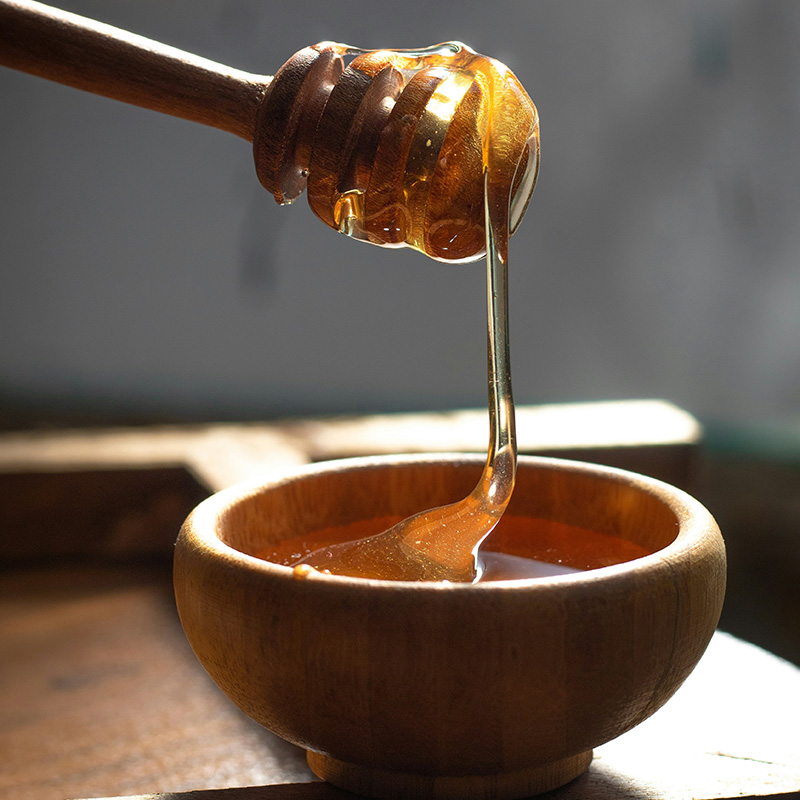
Why Does Honey Crystallize?
Crystallization is a natural process that happens when the sugars in honey begin to separate and form crystals. It’s a sign that your honey is raw, pure, and unprocessed — just the way nature made it. Some types of honey crystallize faster than others, depending on the floral source, temperature, and storage. Crystallized honey is still perfectly safe and delicious to eat. If you prefer it smooth, just place the jar in warm water and stir gently until it returns to its liquid form. We don’t add anything to prevent crystallization — because we believe real honey should stay real.
What Is Royal Jelly?
Royal jelly is a special, nutrient-rich substance produced by worker bees to feed the queen bee. It’s packed
with proteins, amino acids, fatty acids, vitamins, and natural bioactive compounds — making it one
of the most prized products from the hive.
Only queen bees are fed royal jelly throughout their lives, which is why they grow larger, live longer, and
are more fertile than worker bees.
Royal jelly contains a wide range of B vitamins, including: B1 (Thiamine), B2 (Riboflavin), B3
(Niacin), B5 (Pantothenic acid), B6 (Pyridoxine), B7 (Biotin), B9 (Folic acid), B12
It also contains 10-HDA (10-hydroxy-2-decenoic acid), a unique fatty acid found only in royal jelly. This
compound is often associated with its antibacterial, anti-inflammatory, and potential skin-rejuvenating
properties.
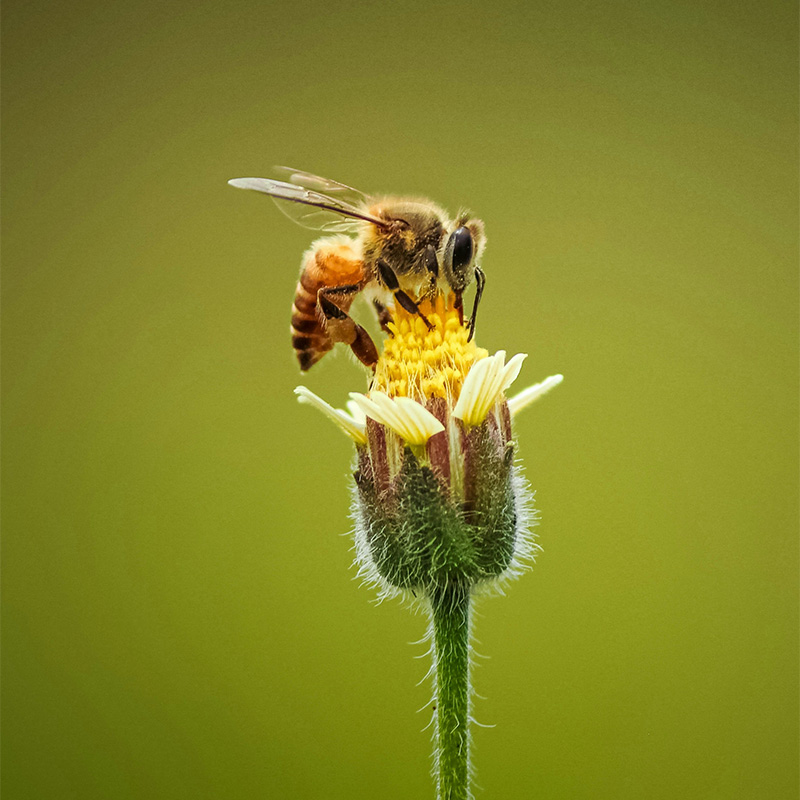
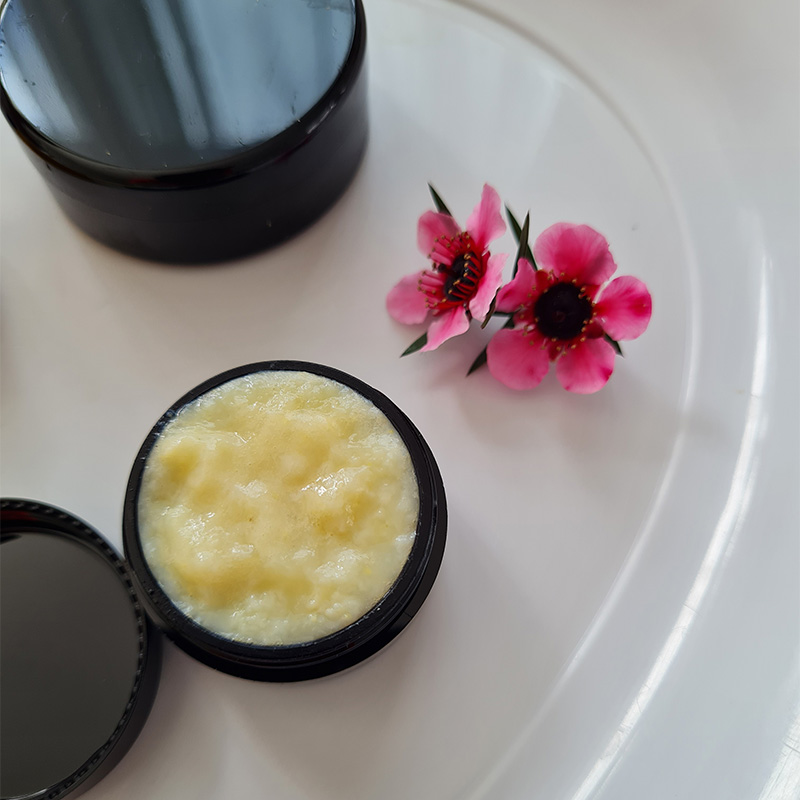
Royal Jelly
We carefully harvest our royal jelly in small batches to maintain its potency and freshness, always with
the wellbeing of our bees as a top priority.
Read more:
New Insights into the Biological and Pharmaceutical Properties of Royal Jelly
Royal Jelly: Health Benefits and Uses in Medicine
Royal jelly: chemical composition, health benefits and food applications: A review
Effects of royal jelly on ovary cancer cells proliferation and apoptosis
The Effect of Heating on Honey
Heating honey can significantly affect its quality by reducing the activity of natural enzymes and
degrading sensitive nutrients such as vitamins and antioxidants. Excessive heat can also alter the flavor
and aroma, often causing a cooked or caramelized taste, and can darken the honey’s color through
chemical reactions. While gentle heating can temporarily dissolve sugar crystals and improve texture,
overheating may negatively impact honey’s natural consistency and overall health benefits. Maintaining
controlled heating is important to preserve the beneficial properties and sensory qualities of honey.
Learn more:
Effect of Temperature and Time on the Physicochemical and Sensory Properties of Crystallized Honey
Exploring the Impact of Thermal Processing on the Quality Attributes of Honey: A Comprehensive Review
Prolonged heating of honey increases its antioxidant potential but decreases its antimicrobial activity
What Is Bee Pollen?
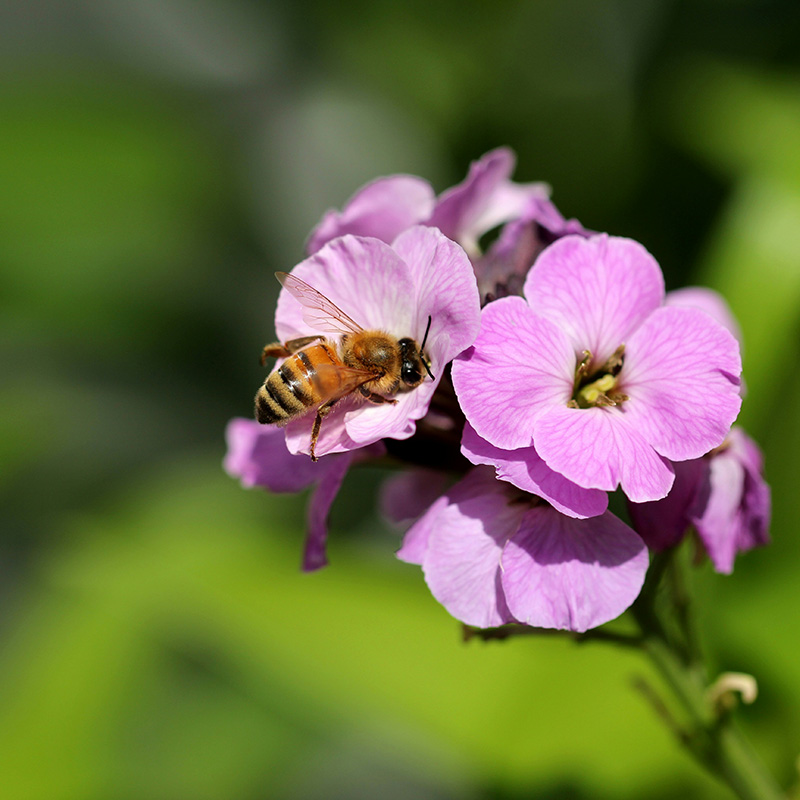
Bee pollen is a natural superfood collected by bees from flower blossoms. It's made up of tiny pollen grains mixed with a bit of nectar and bee enzymes, forming small golden granules full of nutrients. Bee pollen is rich in: Proteins (including all essential amino acids) Vitamins: Especially B-complex, A, C, D, and E Minerals: Such as magnesium, calcium, potassium, and zinc Antioxidants and enzymes that support overall wellbeing Bees collect pollen as a source of food for the hive, especially for growing young bees. For humans, bee pollen is often used to support energy, immunity, digestion, and nutritional balance. The pollen is then carefully dried and processed to ensure there is no damage or oxidation of the vital nutrients, preserving its natural potency and quality. You can enjoy bee pollen sprinkled on yogurt, smoothies, or cereal — just start with small amounts if you're new to it.